Get Chimney Cap Replacement
Chimney cap replacement services help property owners prevent water damage, block debris, and keep pests out by replacing or installing protective caps with local contractors.
Property owners considering chimney cap replacement often recognize the importance of protecting their homes from weather elements, pests, and debris. A properly functioning chimney cap helps prevent water damage, reduces the risk of animals entering the flue, and minimizes the buildup of creosote and soot. For those planning upgrades or repairs, exploring options with experienced local contractors can ensure the work is tailored to the specific needs of the property, offering peace of mind and long-term benefits.
Comparing local service providers can help property owners find the right fit for their chimney cap replacement projects. Whether addressing aging hardware or enhancing overall home maintenance, connecting with trusted local contractors allows for informed decisions based on expertise and reputation. Keep reading to learn more about the benefits of professional chimney cap replacement and how to find the right local specialists for the job.
- homeowners may need chimney cap replacement when their existing cap is damaged or missing. - property owners might seek new chimney caps to prevent debris, animals, or rain from entering the chimney. - individuals replacing a chimney cap after a fire or severe weather event to restore proper function. - those upgrading their chimney system to improve draft performance and protect the chimney structure. - residents installing a chimney cap for the first time to enhance safety and prevent unwanted pests.
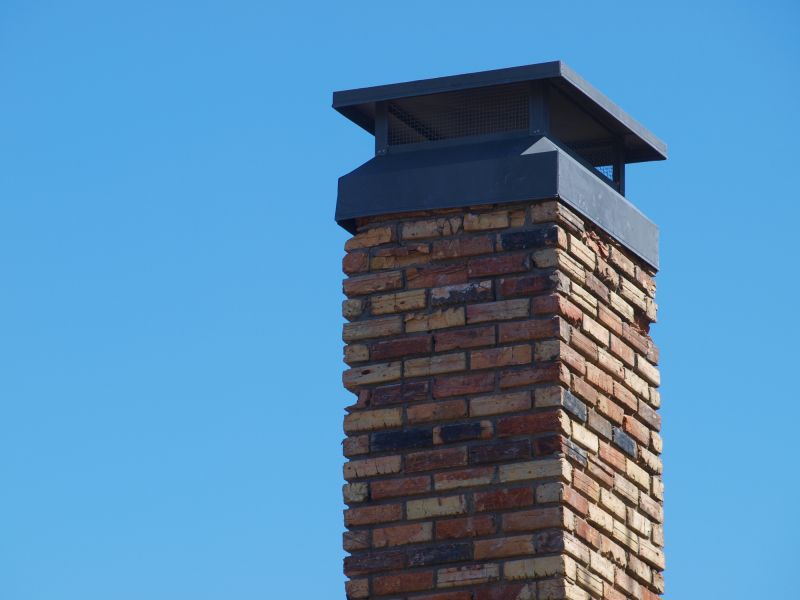
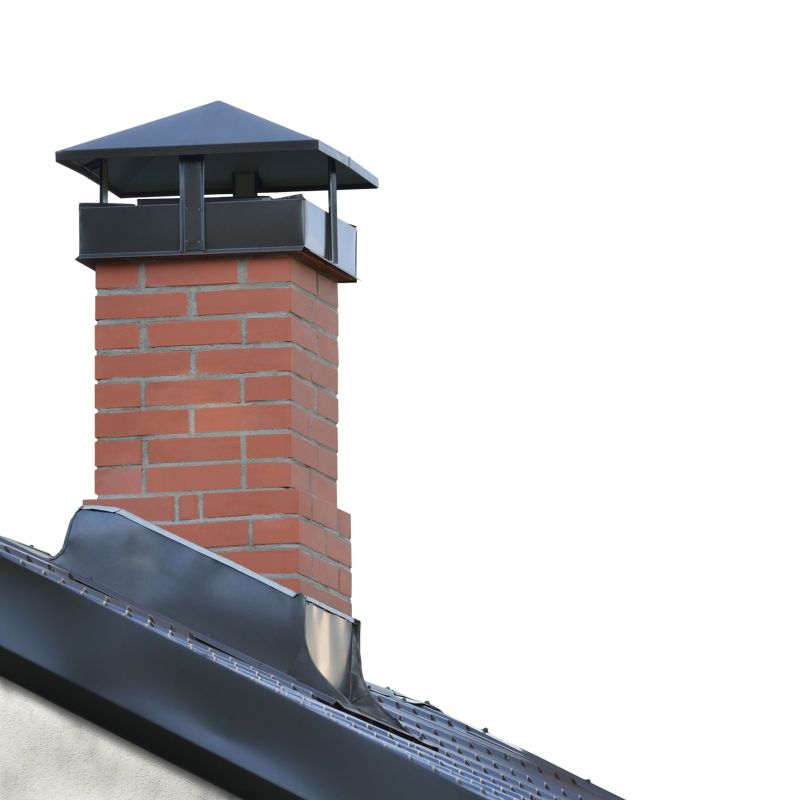
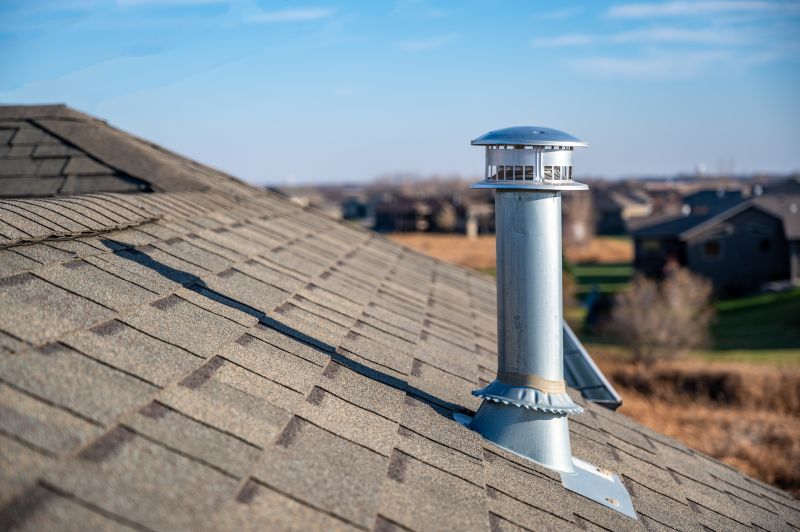
Chimney cap replacement services involve removing an old or damaged chimney cap and installing a new one to protect the chimney structure. The process typically includes inspecting the existing cap, selecting a suitable replacement that matches the chimney’s size and style, and securely installing it to ensure proper fit and function. This service helps prevent debris, animals, and water from entering the chimney, which can cause damage or blockages over time. Proper installation ensures the chimney remains protected against the elements and external pests, maintaining the integrity of the chimney system.
Replacing a chimney cap addresses several common problems that can occur with aging or damaged caps. Over time, caps can become rusted, cracked, or dislodged, exposing the chimney to water leaks, animal intrusion, and debris buildup. These issues can lead to costly repairs or unsafe conditions if not addressed promptly. A new chimney cap provides a reliable barrier, helping to prevent water damage, reduce the risk of pests nesting inside the chimney, and improve overall safety. This service is often recommended when a cap shows signs of deterioration or after a storm or severe weather event.
Chimney cap replacement is suitable for a variety of property types, including single-family homes, multi-unit residential buildings, and small commercial properties. Homes with wood-burning fireplaces, pellet stoves, or other fuel-burning appliances frequently benefit from regular cap inspections and replacements as part of routine maintenance. Property owners who notice signs of rust, corrosion, or damage to their existing chimney cap may find that replacement is the best way to restore proper function. Whether the property is new or older, ensuring the chimney is properly capped helps protect the structure and maintain safe operation.
Local contractors who offer chimney cap replacement services are equipped to handle a range of chimney styles and configurations. They can assess the condition of an existing cap, recommend appropriate replacements, and install them efficiently. This service is particularly important for properties located in areas prone to severe weather, where exposure to wind, rain, or snow can accelerate deterioration. Contacting experienced service providers ensures that the chimney is properly protected, reducing the risk of water leaks, pest problems, and other issues that can compromise the safety and longevity of the property’s chimney system.
The overview below groups typical Chimney Cap Replacement projects into broad ranges so you can see how smaller, mid-sized, and larger jobs often compare in your area.
In many markets, a large share of routine jobs stays in the lower and middle ranges, while only a smaller percentage of projects moves into the highest bands when the work is more complex or site conditions are harder than average.
Smaller Repairs - Most routine chimney cap repairs typically cost between $100 and $300. Many local contractors handle these smaller jobs efficiently within this range, though prices can vary based on the specific issue.
Standard Replacement - Replacing a chimney cap usually falls in the $250-$600 range for many standard projects. Larger, more complex replacements may reach $800 or more, depending on the materials and chimney size.
Full Cap Installation - A full replacement of a chimney cap, especially on larger or multi-flue chimneys, can cost from $600 to $1,200. Many projects in this category are completed within this range, with fewer exceeding $1,500.
Complex or Custom Projects - Custom or high-end chimney cap installations, involving specialized materials or design features, can cost $1,500 or more. Such projects are less common but are handled by local pros for unique requirements.
Actual totals will depend on details like access to the work area, the scope of the project, and the materials selected, so use these as general starting points rather than exact figures.
Chimney Crown Repair - involves similar planning and skill with masonry and waterproofing to protect chimney structures, often requiring precise measurements and material knowledge.
Flue Liner Installation - requires understanding of chimney systems and the use of specialized tools to ensure proper venting and safety, akin to installing chimney caps.
Chimney Waterproofing - involves applying protective coatings and sealants to prevent water damage, sharing the need for careful surface preparation and attention to detail.
Chimney Masonry Restoration - includes repairing and restoring brickwork and mortar, which demands masonry skills similar to those needed for chimney cap replacement.
Chimney Sweeping and Inspection - involves inspecting the chimney system for damage or blockages, requiring familiarity with chimney components and safety protocols.
Vent Pipe Repair or Replacement - includes working with venting components and ensuring proper fit and function, paralleling the skills used in chimney cap installation.
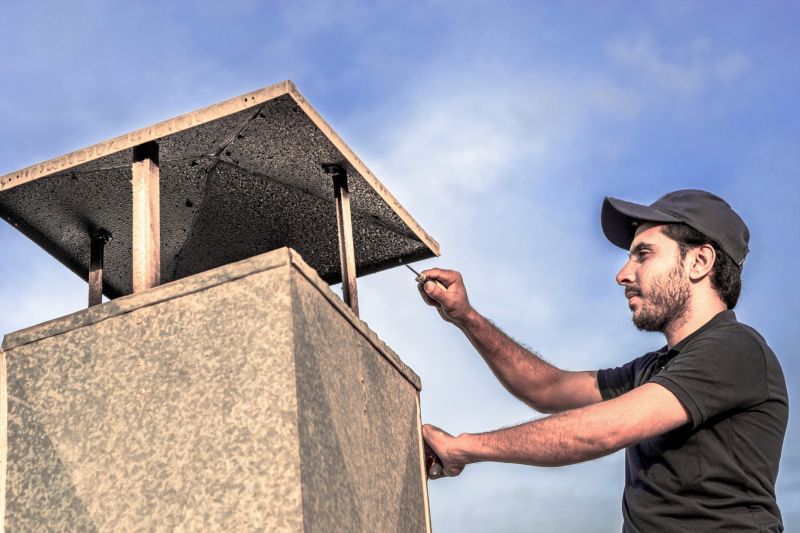
When evaluating local contractors for chimney cap replacement, it’s important to consider their experience with similar projects. Homeowners should inquire about how many chimney cap replacements they have performed and whether they have worked on properties comparable to their own. An experienced service provider will be familiar with different chimney styles and materials, which can help ensure the job is completed properly and efficiently. While experience alone doesn’t guarantee quality, it can provide confidence that the contractor understands the nuances of the work and can handle potential challenges that may arise.
Clear, written expectations are essential when comparing local pros for chimney cap replacement. Homeowners should seek detailed estimates or proposals that outline the scope of work, materials to be used, and any warranties or guarantees offered. Having this information in writing helps prevent misunderstandings and provides a basis for comparing different service providers. It’s also helpful to ask how the contractor plans to approach the project, including steps they will take to protect the surrounding area and ensure a proper fit for the chimney cap.
Reputable references and good communication are key factors in selecting a reliable service provider. Homeowners can ask potential contractors for references from previous clients who had similar work done and follow up to learn about their experiences. Additionally, the ability to communicate clearly and promptly throughout the process can make a significant difference in the overall experience. Choosing a local contractor known for responsive and transparent communication can help ensure that questions are answered and concerns addressed, leading to a smoother project from start to finish. It’s important to remember that the site introduces homeowners to local options but does not perform the work itself.
Property owners use Chimney Cap Replacement services for practical projects around their homes and businesses. This guide focuses on everyday jobs and straightforward project options.
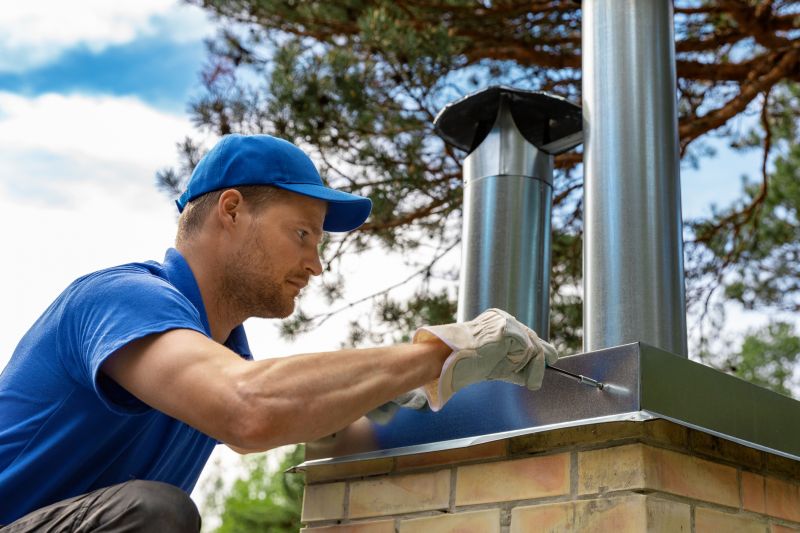
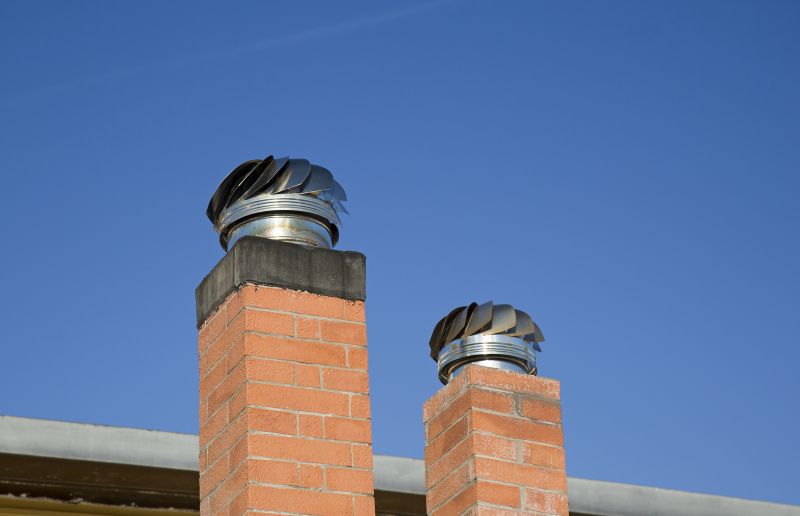
Chimney cap replacement is a common service property owners seek when their existing caps become damaged, rusted, or lose their effectiveness over time. A worn or broken chimney cap can lead to issues such as water intrusion, debris buildup, or animal entry, which may cause further damage to the chimney structure or interior of the home. Local contractors are available to assess the condition of existing caps and provide the necessary replacements to help maintain the chimney’s integrity and protect the property.
Homeowners might also look for chimney cap replacement after noticing signs of wear, such as rusted metal, missing parts, or increased debris around the chimney opening. Upgrading to a new chimney cap can improve overall performance and prevent common problems associated with aging or improperly fitted caps. Service providers in the area can handle these straightforward replacements, ensuring the chimney remains functional and protected against the elements.
Why should I replace my chimney cap? Replacing a chimney cap helps prevent debris, animals, and water from entering the chimney, which can cause damage or blockages. Local contractors can assess whether a replacement is needed based on the condition of your current cap.
How do I know if my chimney cap needs to be replaced? Signs include visible damage, rust, or if the cap is missing altogether. A professional inspection by local service providers can determine if a replacement is necessary.
What materials are used for chimney cap replacements? Common materials include stainless steel, copper, and galvanized steel, chosen for durability and weather resistance. Local contractors can recommend the best option for your chimney.
Can a chimney cap be repaired instead of replaced? In some cases, minor damages can be repaired, but significant wear or damage typically requires a full replacement. A local professional can evaluate the best course of action.
How do local service providers handle chimney cap replacement? They typically remove the old cap, inspect the chimney top, and install a new cap that fits properly and provides effective protection against elements and pests.
Chimney Cap Replacement - Replacing a damaged chimney cap can prevent debris buildup and reduce the risk of animal intrusion.
Chimney Cap Replacement - Upgrading an old or worn cap can improve airflow and help your fireplace operate safely.
Chimney Cap Replacement - Service providers can install custom or standard caps to match the style and needs of your property.
Chimney Cap Replacement - Regularly replacing worn caps can extend the lifespan of your chimney and protect your home from weather damage.
If you are thinking about Chimney Cap Replacement for a property, this guide is meant to help you understand the work, the typical project types, and how different options might fit your plans.
When you are ready, you can use the quote form on this page to share a few details about your project. From there, local pros can review the basics and respond with options that match what you have in mind.